
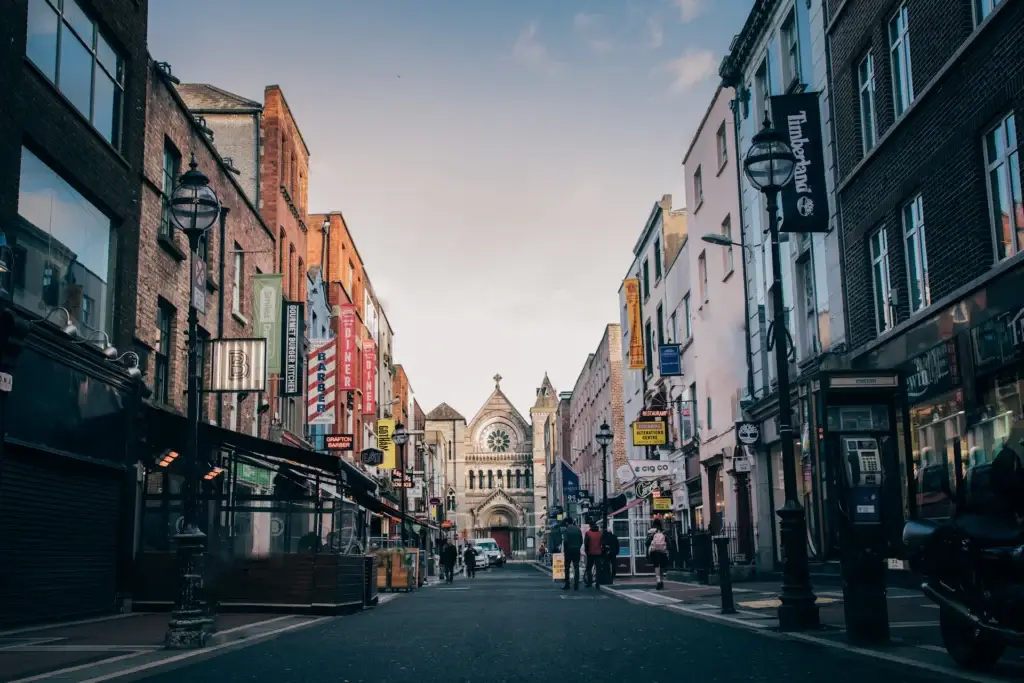
Ireland and the UK look similar on paper: English-speaking, one-year taught Masters, and a route to work after graduation. But the right choice depends on your field, your budget and where you want to build a career.
Where they are similar
- Most taught Masters run for about 12 months
- Teaching is in English with similar entry requirements
- Both have a post-study stay-back option for eligible graduates
Where they differ
- Choice: the UK has far more universities and courses; Ireland has fewer, so shortlists are tighter.
- Industry: Ireland hosts the European offices of many global technology, pharma and finance companies, which suits students in those fields.
- EU access: Ireland is an EU member, which can matter for some careers in Europe.
- Living costs: Dublin is expensive, and student housing can be hard to find — plan accommodation early. Smaller Irish and UK cities cost less.
Questions to decide
- Is your field strong in the Irish job market (tech, data, pharma, finance)?
- Do you want a wider choice of universities and cities? The UK wins.
- Can you secure accommodation in time for an Irish intake?
- What do the current post-study work rules say for each country? Check official sources before deciding.
Compare both on our Ireland and UK pages, or ask a counsellor.